HEALTHCARE // UX/UI DESIGN
Astir
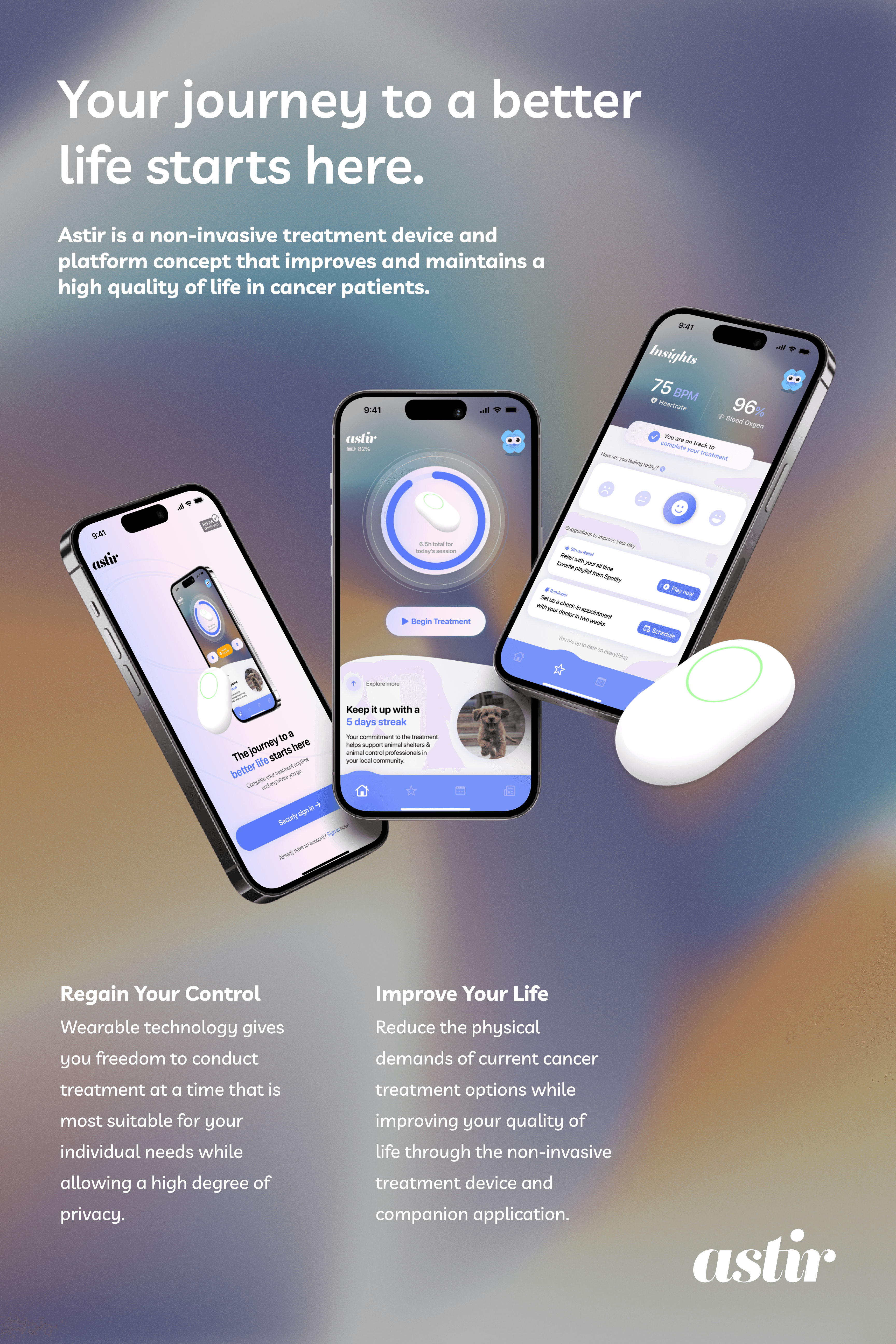
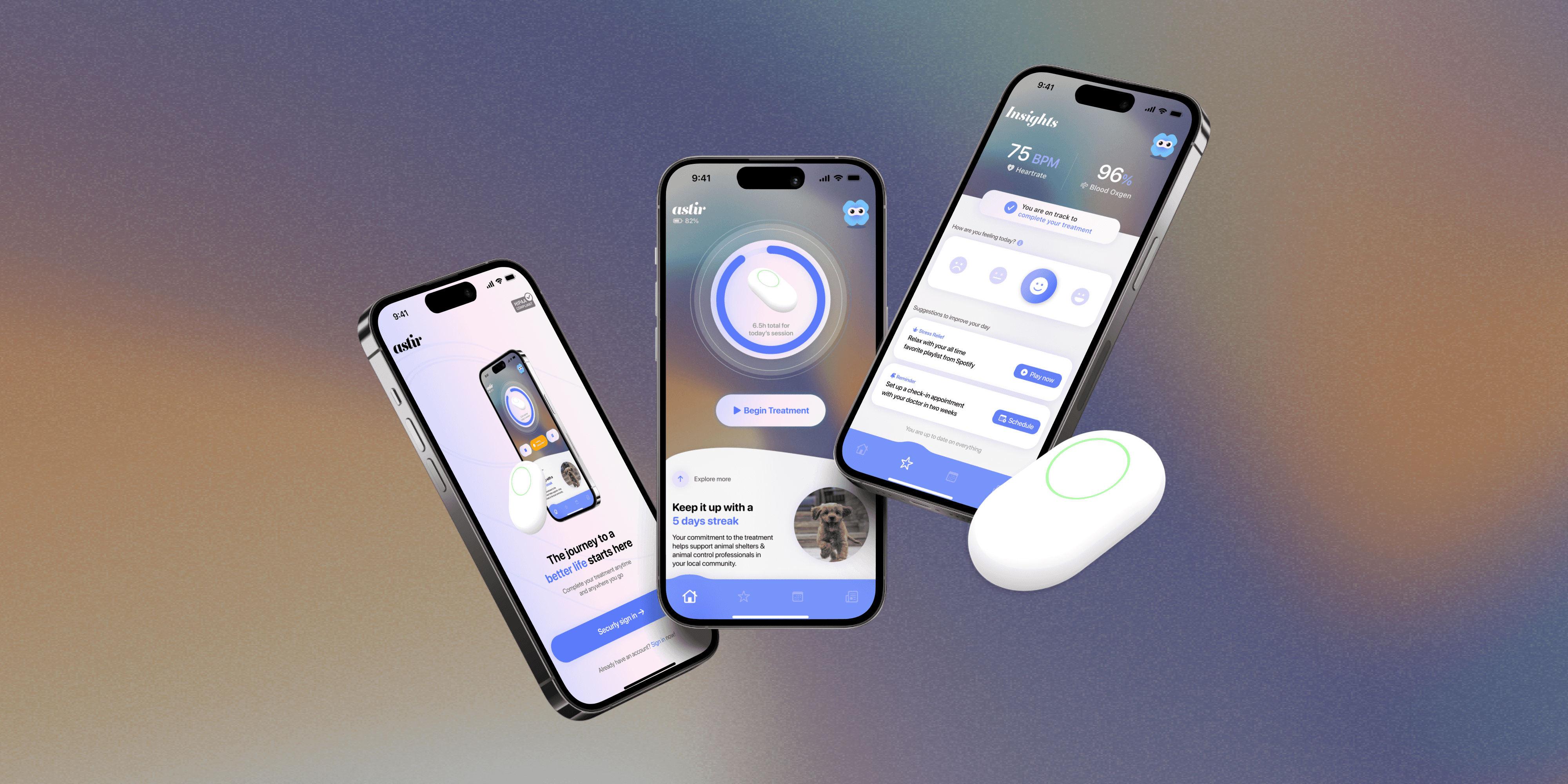
Astir improves and maintains the quality of life for cancer patients by creating a non-invasive cancer treatment device and mobile app.
TIMELINE
Jan 2024 - Mar 2024
TEAM
PM, UX Researcher, Graphic Designer, UX Designer
ROLE
UX/UI Designer
TOOL
Figma, Adobe CC, Rhino, Miro
MY ROLE AT A GLANCE
In this project, I designed and delivered a mobile app and to guide users how to use Astir device, ensuring
a patient-friendly experience and tangible solutions. I focused on understanding the challenges and feelings
of cancer patients face and creating a solution that prioritize their quality of life while delivering effective treatment.
CONTEXT
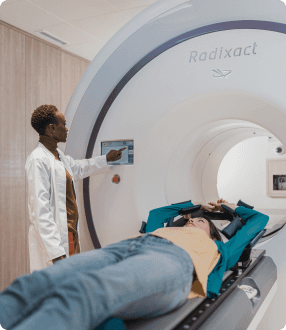
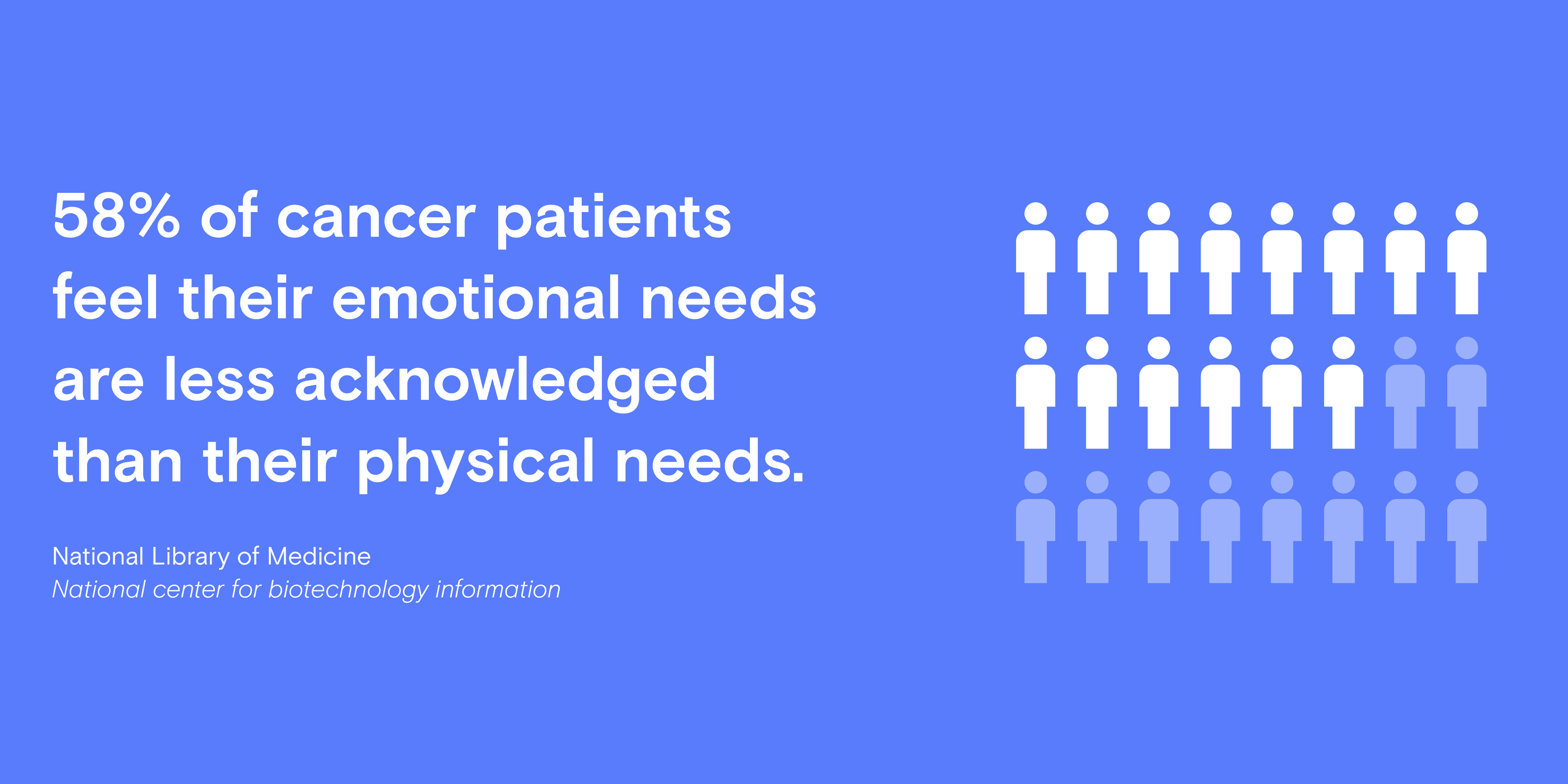
Cancer treatments, due to their invasive nature, impose significant physical and emotional burdens,
often stripping patients off their independence and sense of control, leading to distress and even
treatment refusal.
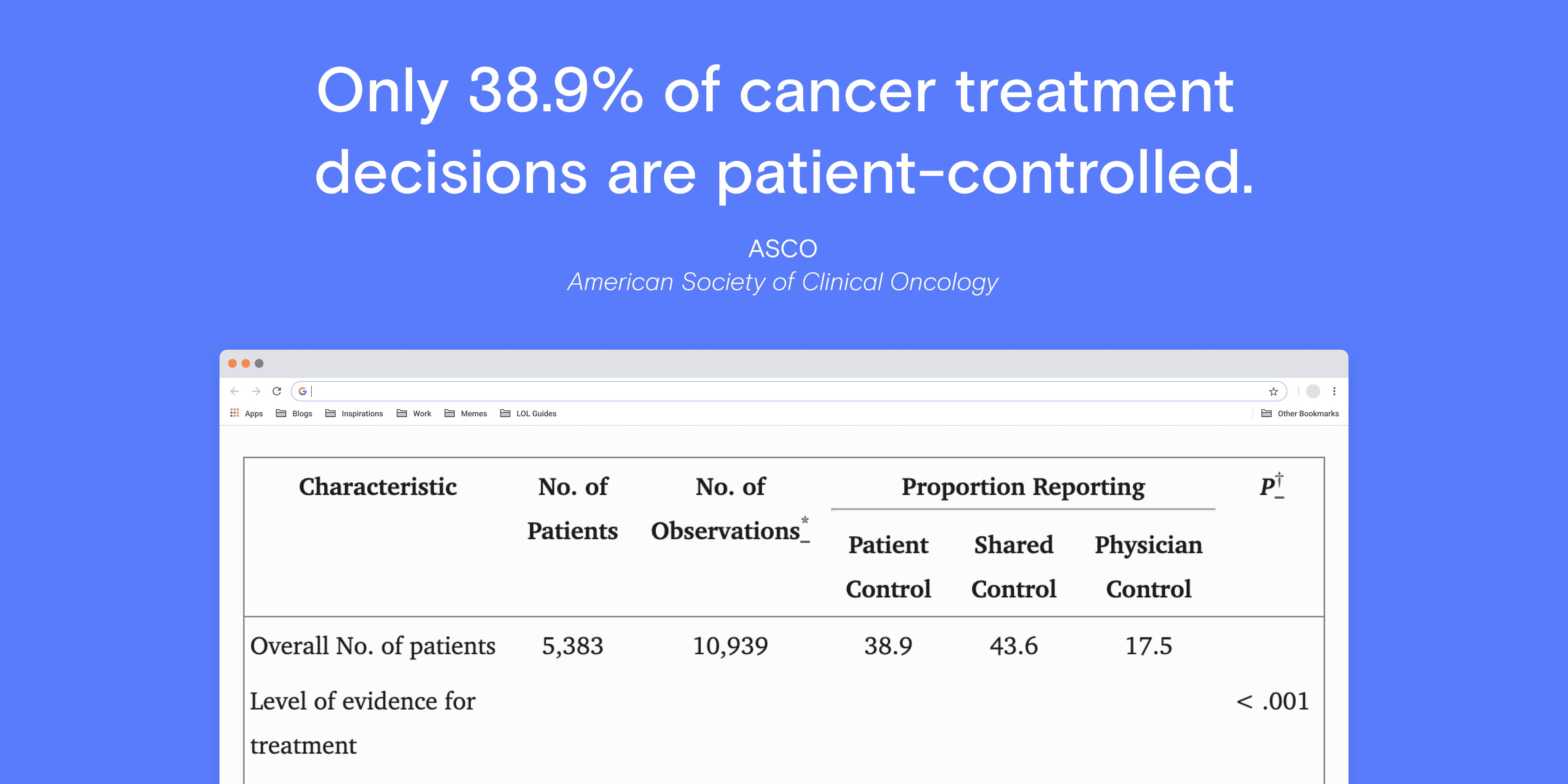
"Uncertainty permeated every aspect of my journey, from the universal question of why my cancer developed in the first place, to the most mundane treatment details."
Austin Wilcox
Cancer Survivor, Interviewee
"The most disturbing part of traditional cancer treatment isn't the physical symptoms you will experience, it is the complete lack of certainty and the loss of autonomy that can make many cancer victims give up."
Amy lee
A cancer survivor, interviewee
THUS WE ASKED
How can we maintain or even improve the quality of life of patients during their treatment journey?
SOLUTION
An ecosystem of treatment device and companion app

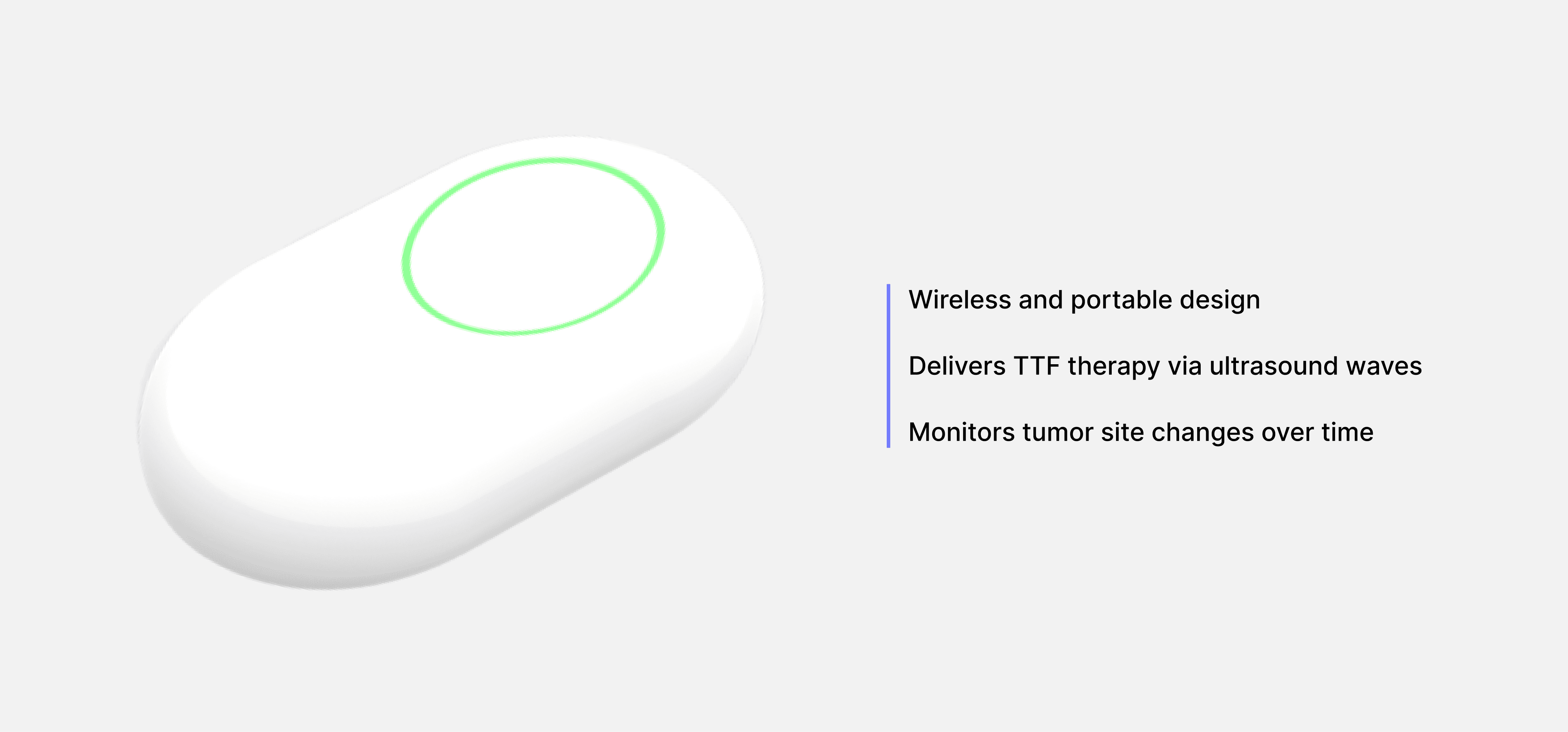
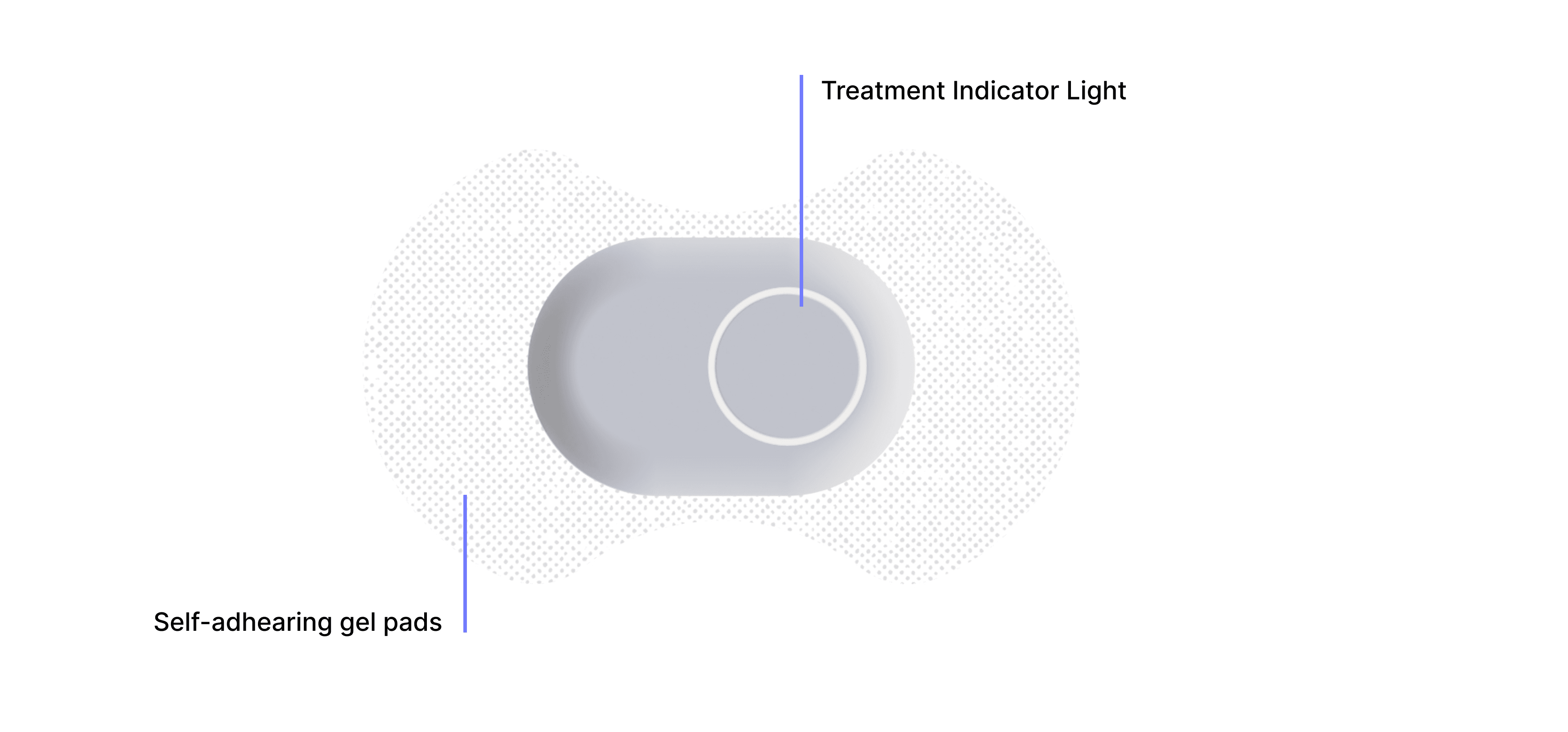
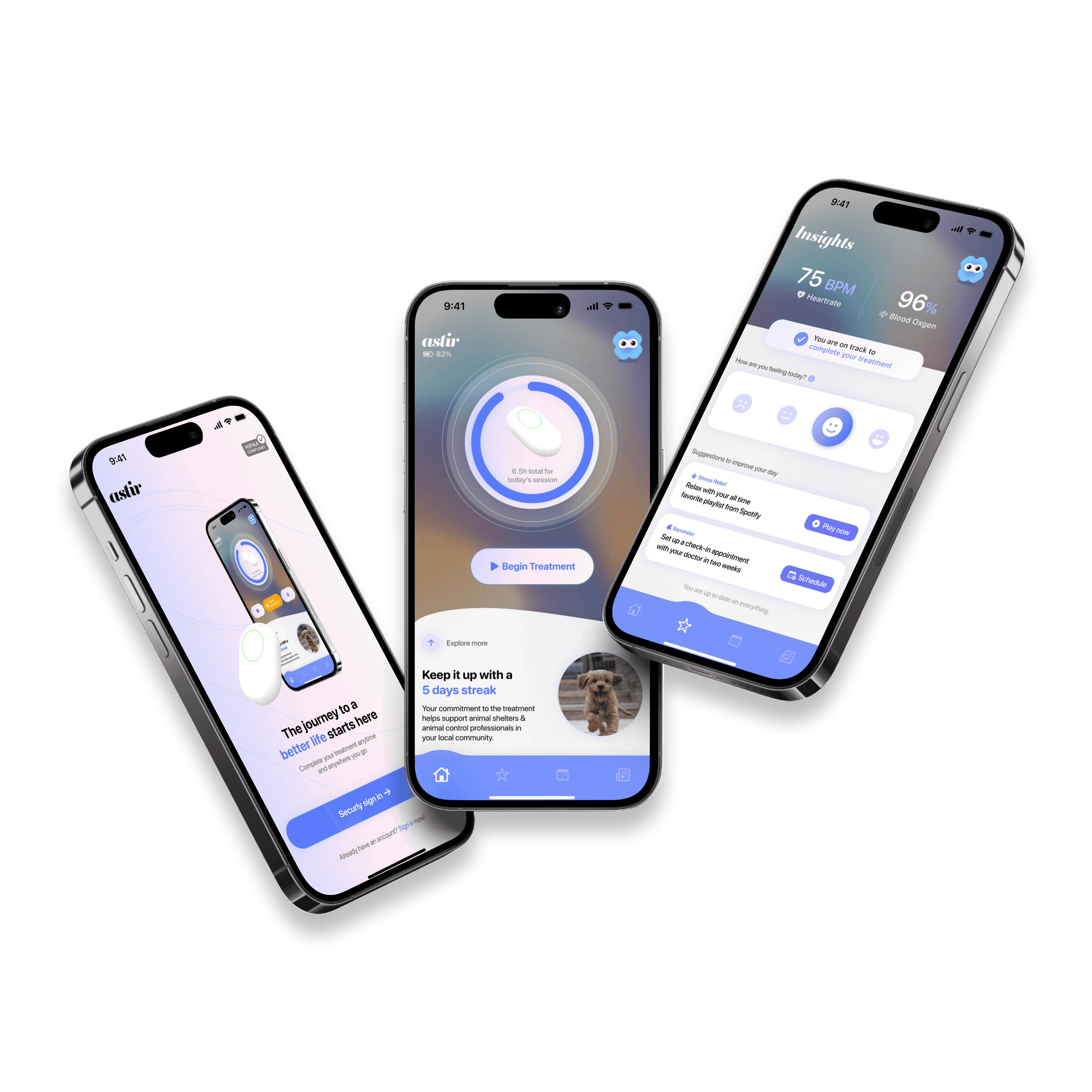
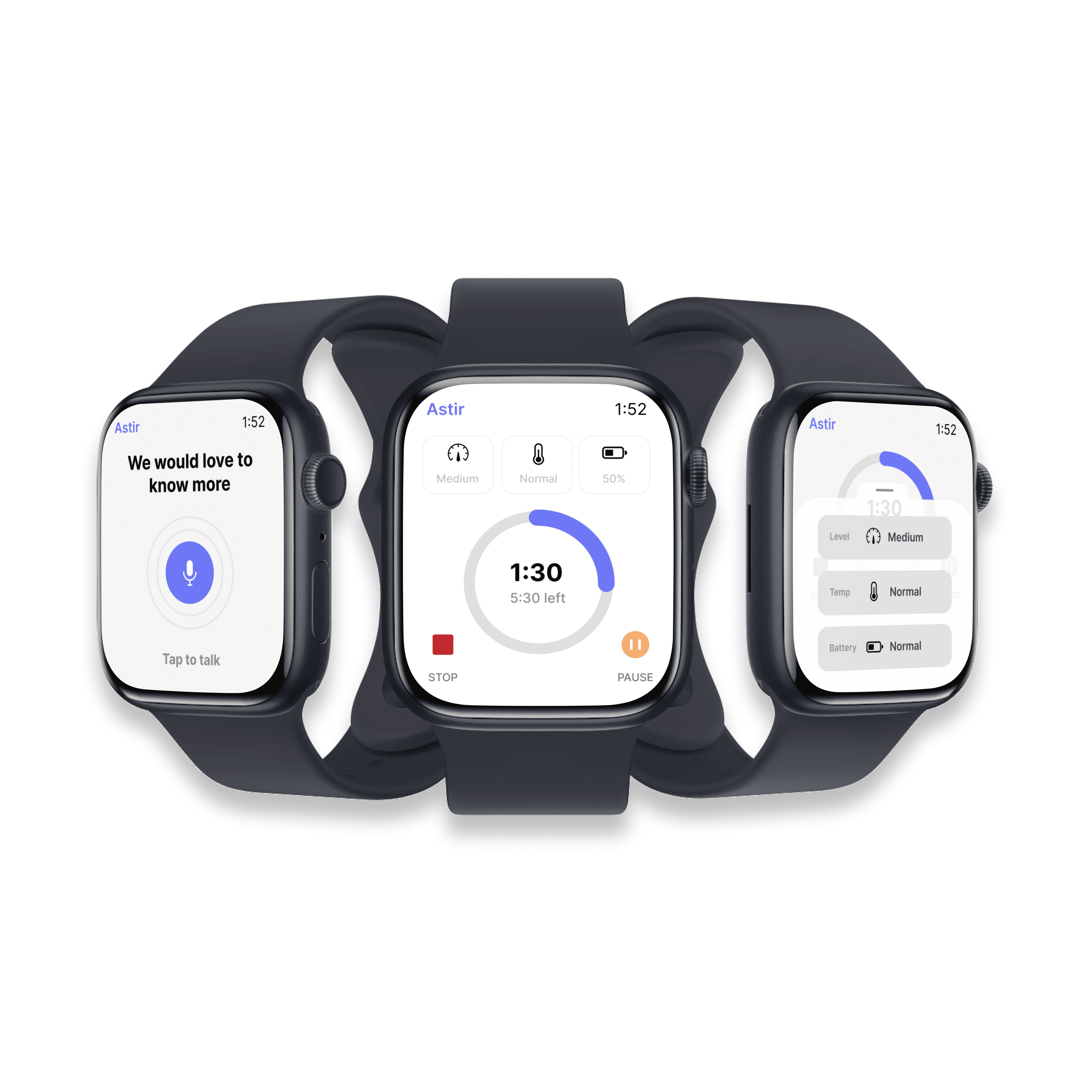
Astir consists of three key components working in harmony: the Astir App for treatment control, the Astir Puck(device) for portable treatment delivery, and the carrying case for mobility and convenience.

ITERATION 1
How do we use positive reinforcement to keep patients motivated?
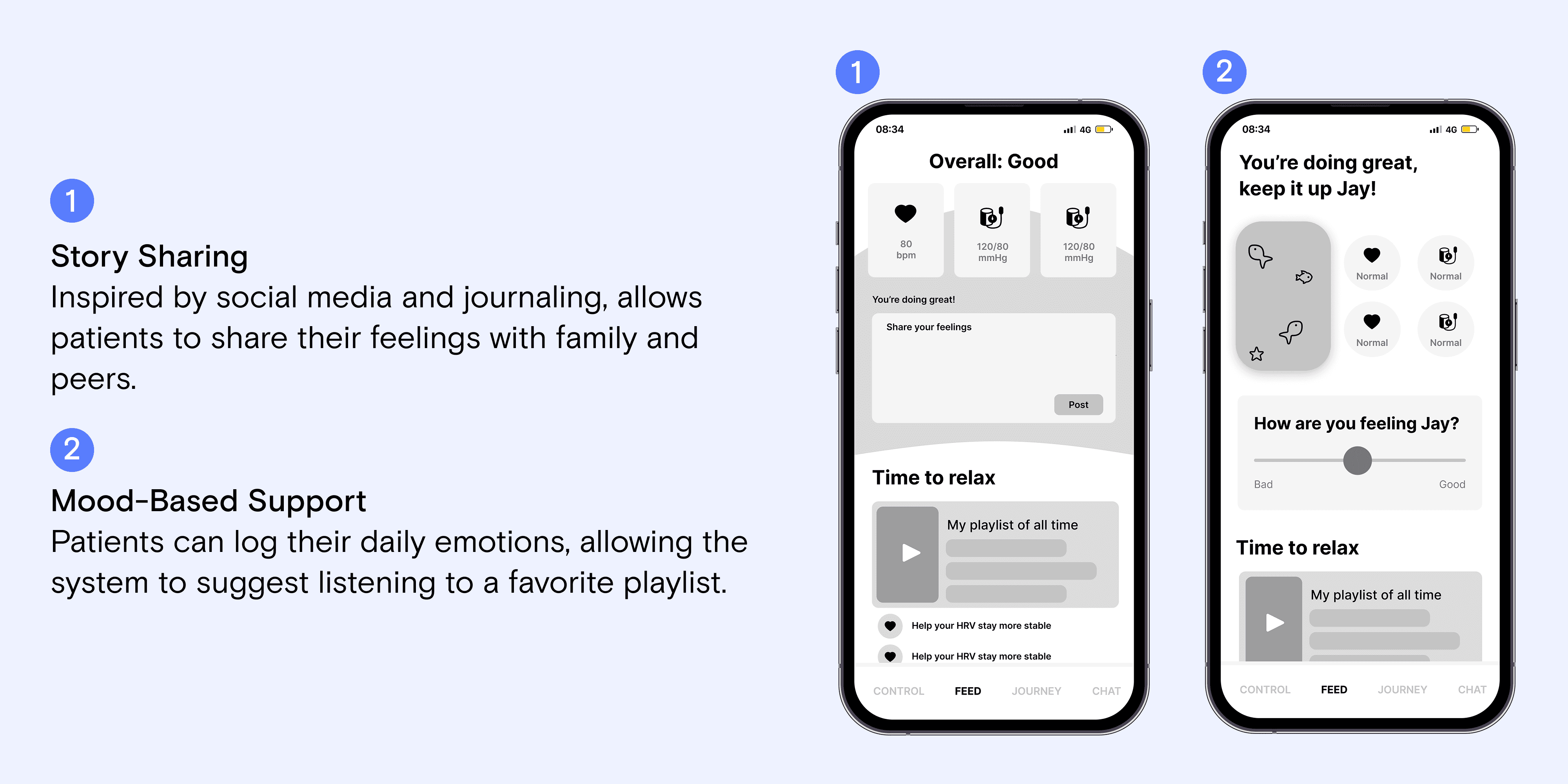
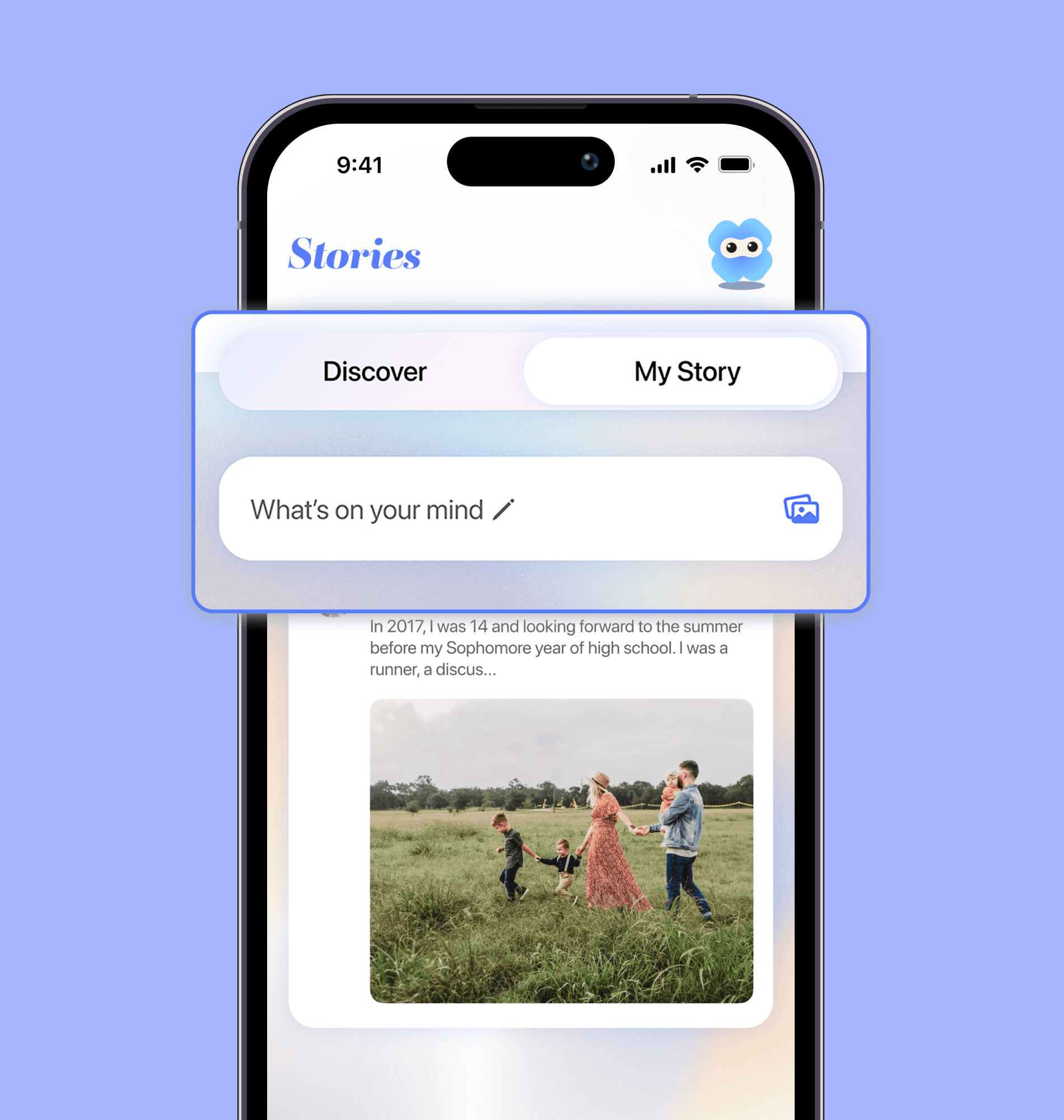
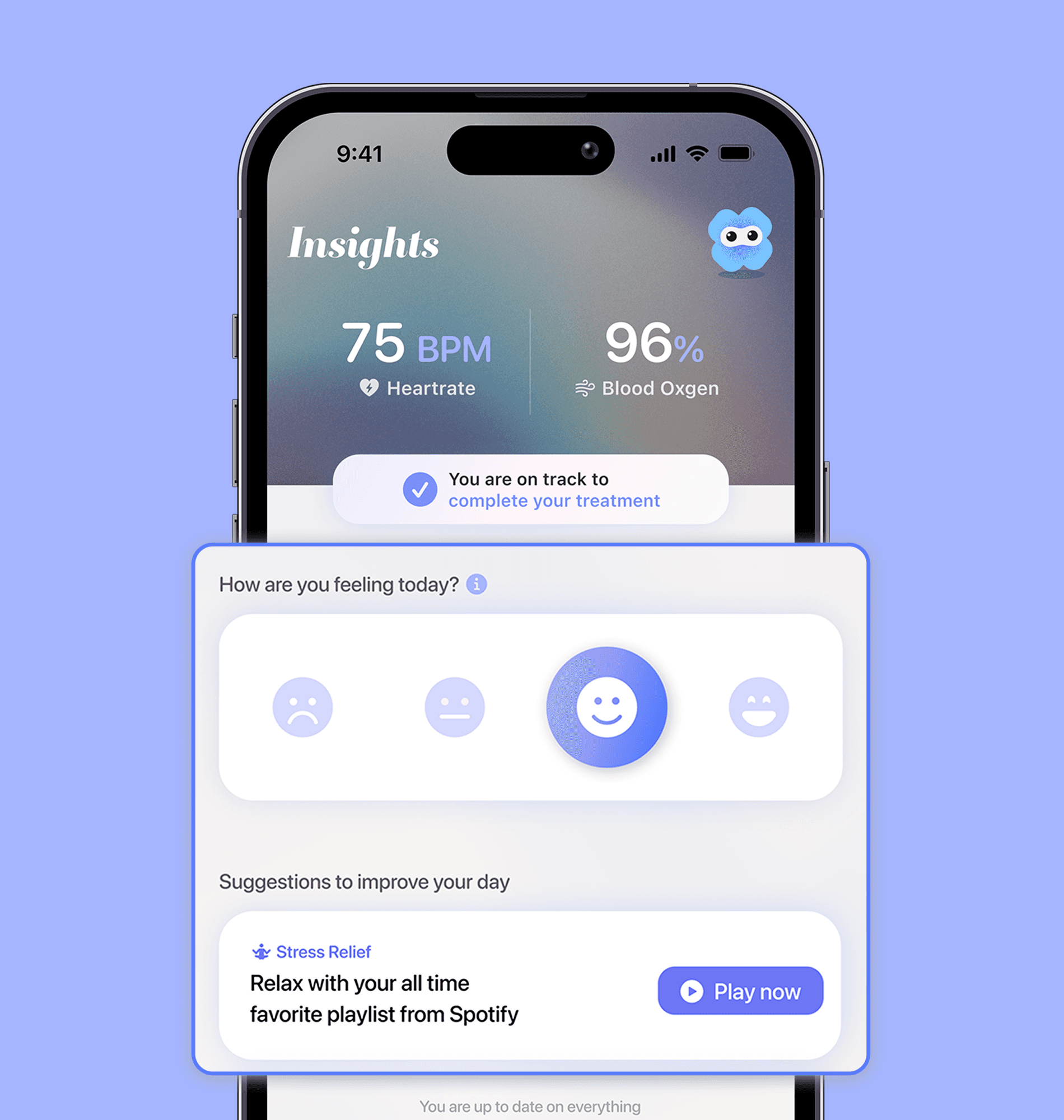
Motivation is essential in a patient’s treatment journey. Although we initially tested frequent rewards, user feedback showed that excessive reinforcement felt insincere and reduced its impact. Based on these insights, I made the design decision to shift toward more meaningful support by creating story-sharing features and mood-based personalized guidance.
High-fidelity designs
Story sharing
Mood-based support
ITERATION 2
How do we make patients feel in control without overwhelming the treatment process?
When designing for patient engagement, it’s crucial to strike a balance between empowerment and simplicity. Early insights showed that patients wanted more control but felt overwhelmed by too many options. I simplified the experience by designing quick treatment controls, a clear progress ring, and a visual journey that breaks long treatments into manageable steps, making the process feel tangible and encouraging.
Mid-fidelity wireframes
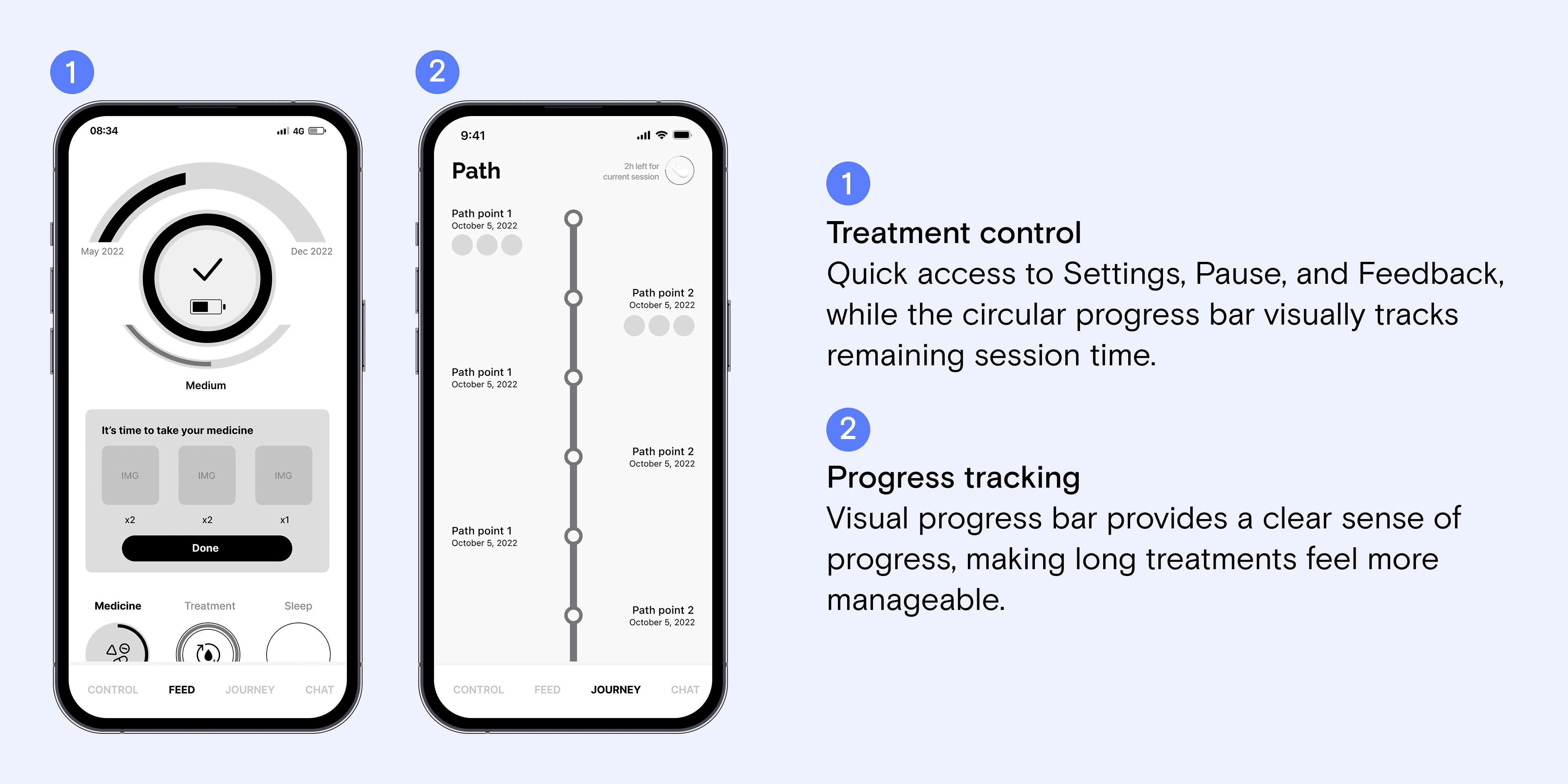
Designing control
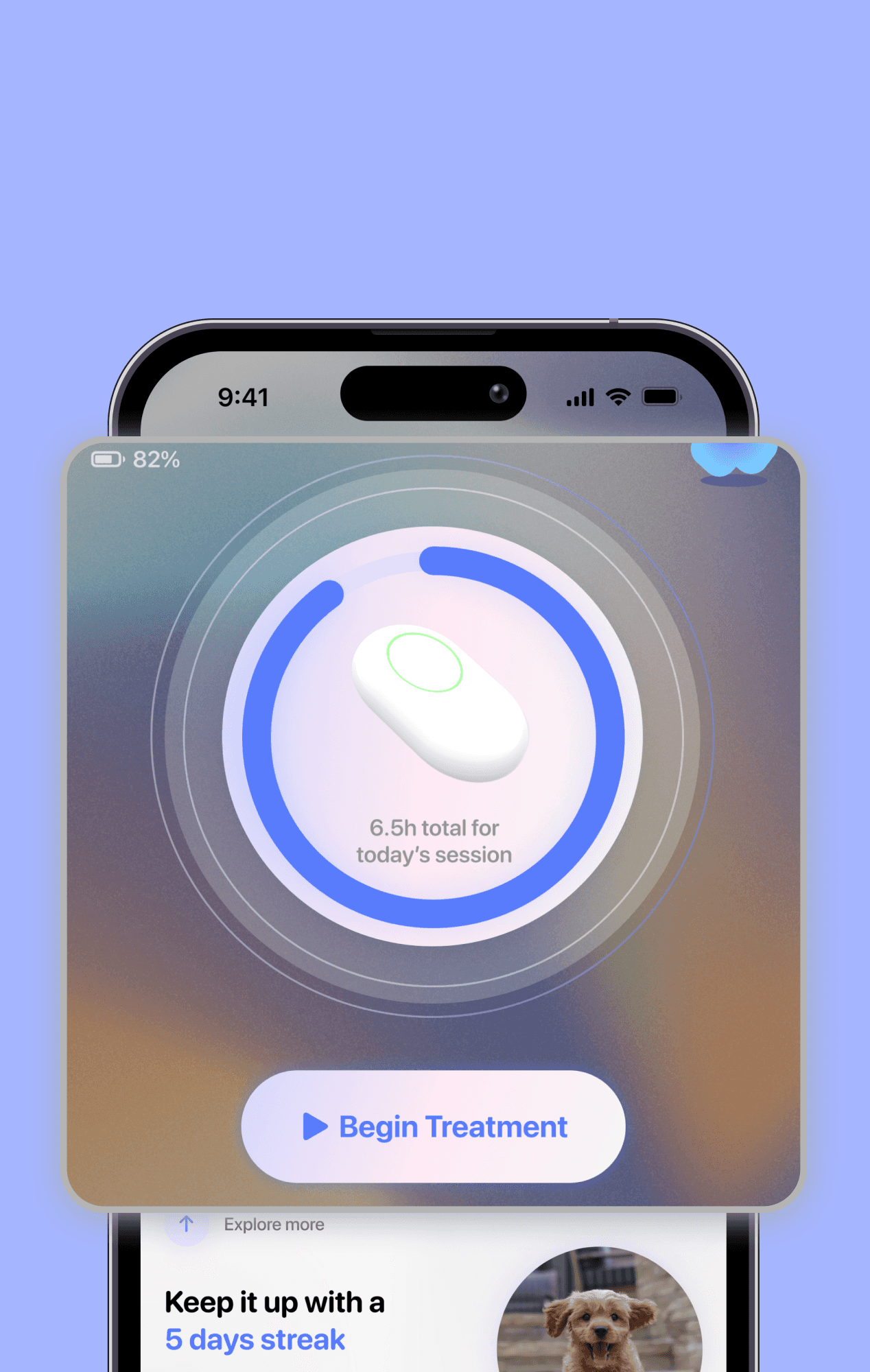
Device control
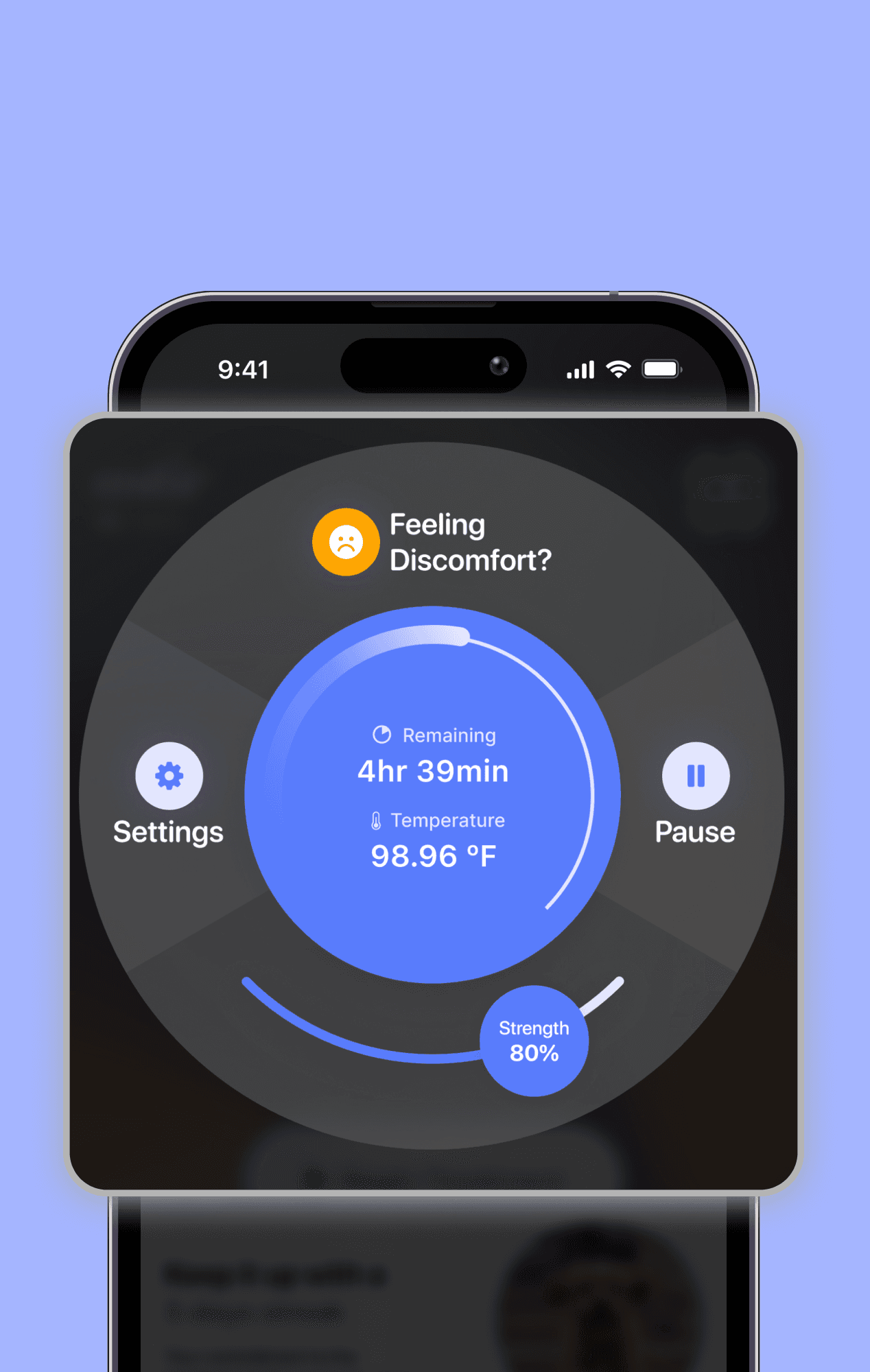
Treatment control
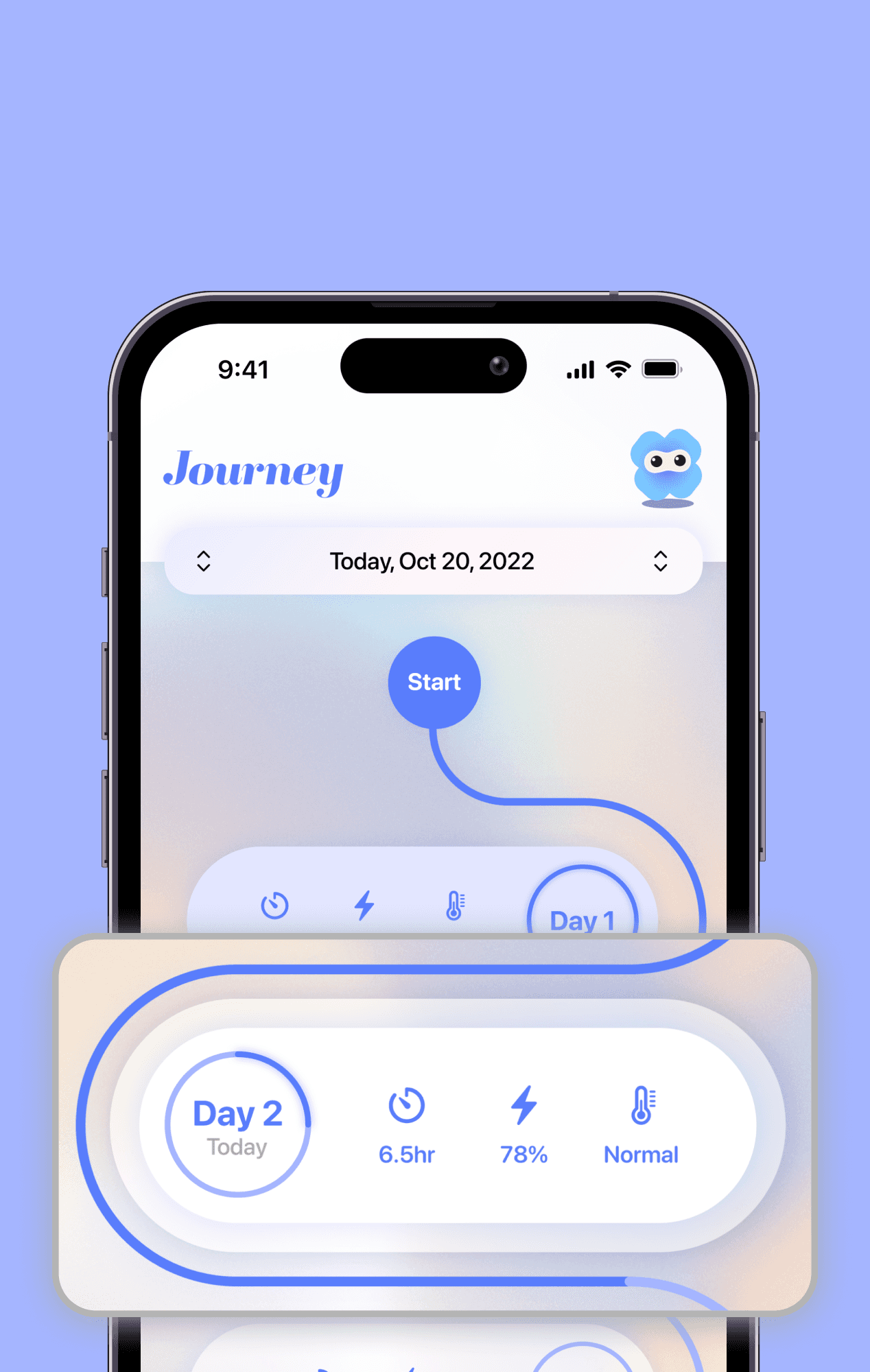
Tracking progress
HIGHLIGHTS OF FINAL DESIGN
Comfort through design
The comfort through design ideology influenced the design of Astir by prioritizing human factors, and aesthetic appeal, resulting in an intuitive design that promotes a sense of calm and comfort for cancer patients.
Astir app offers real-time guidance and support to motivate patients to adhere to their treatment plans while providing valuable insights to both patients and healthcare providers.
Astir offers patients to select their mood of the day and give suggestions to improve their feelings. It also gives a reminder of appointment with doctors if needed.
Patients can review their treatment journey on daily basis and review the spending time of treatment.
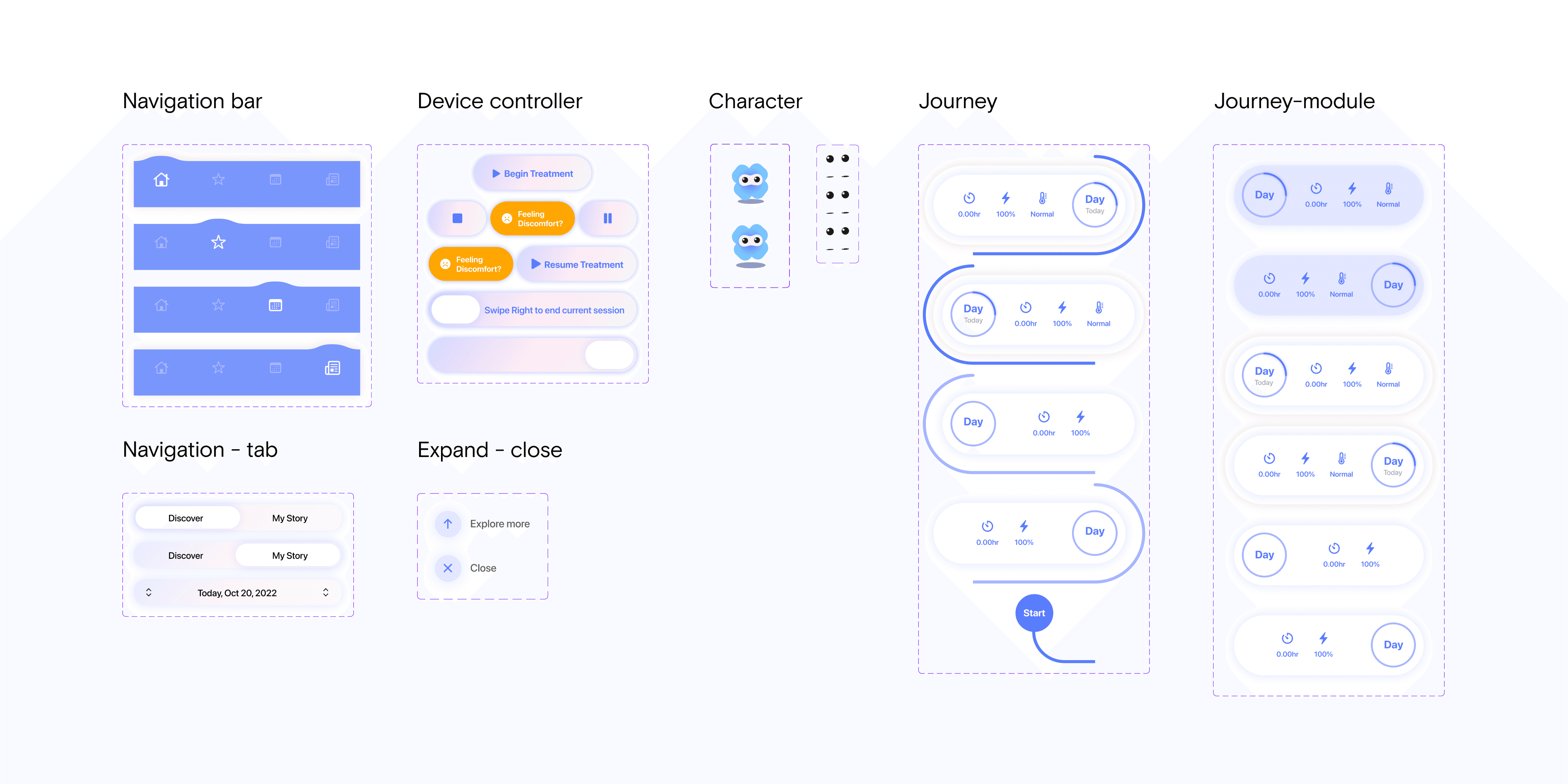
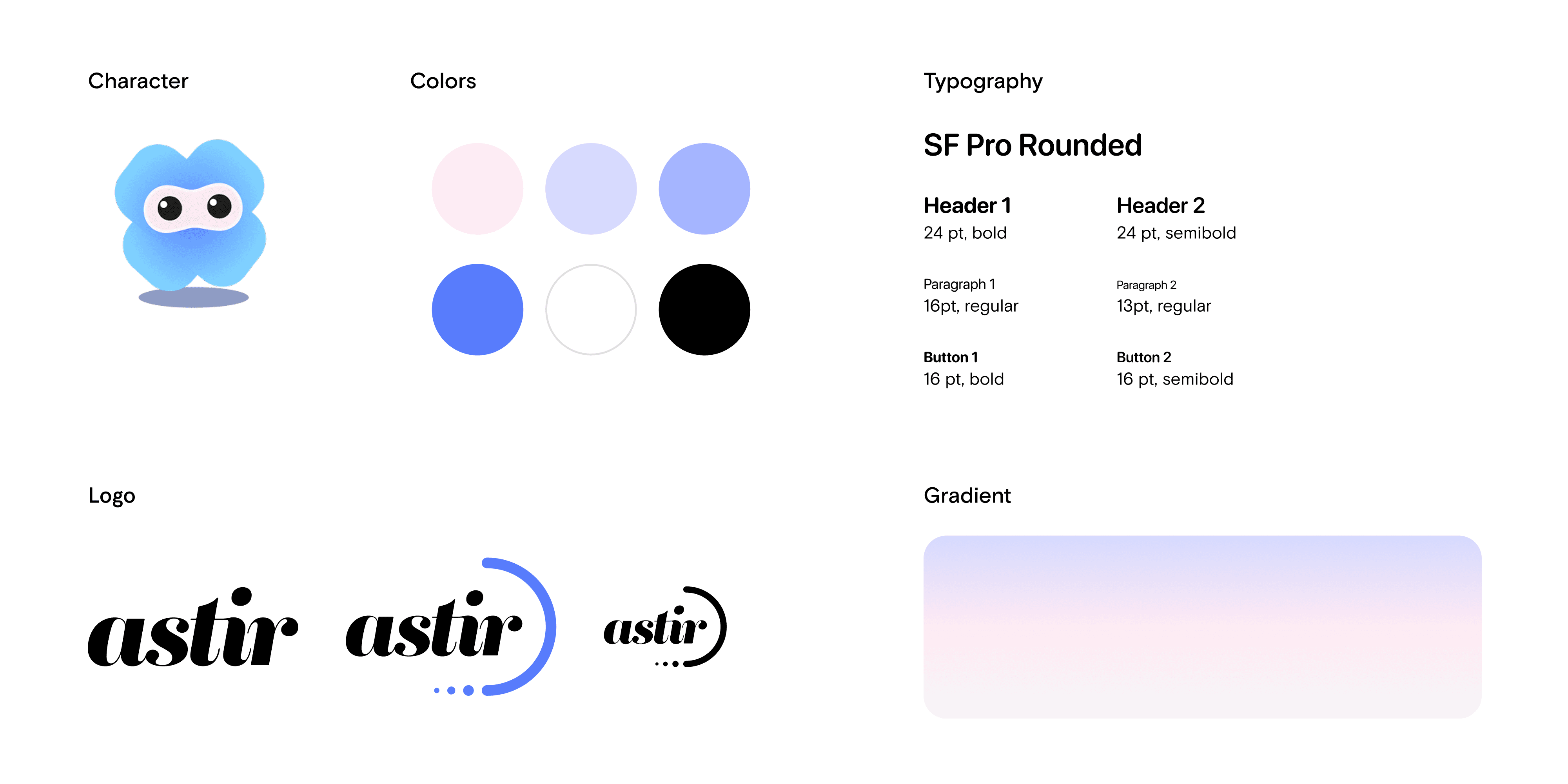
VISUAL DESIGN COMPONENTS
IMPACT
Astir’s innovative approach to cancer treatment has been recognized for redefining patient care through design and technology. The project earned the three major UX design awards for its human-centered medical technology and for excellence in design for social impact, validating our commitment to patient-centered design.